What makes a luxury vacation truly unforgettable today? More travelers are choosing meaningful experiences over extravagant amenities, seeking authentic cultural connections, slower-paced itineraries, and immersive adventures that create lasting memories. From expedition cruises in Antarctica to wellness retreats in Japan and culinary experiences in Italy, experiential luxury travel is redefining what it means to travel well.
The new luxury isn’t about seeing more—it’s about experiencing destinations more deeply through thoughtful planning, local expertise, and genuine human connection. Travel advisors play a key role in creating these personalized journeys, helping travelers discover experiences that leave them with lasting stories rather than simply beautiful photos.
A curated immersive journey, particularly in the luxury travel space, used to be defined by the amenities and high level of service travelers would enjoy during a trip.
Beautiful hotels. Upgraded rooms. Exclusive excursions. Reservations at sought-after restaurants. All the details that made international journeys feel special.
But after years of leading small-group trips and planning bespoke itineraries, I’ve noticed a clear shift in what travelers are asking for.
Clients still appreciate comfort and exceptional service. But increasingly, their first questions when planning a trip or working with a travel adviser aren’t about the hotel suite or spa facilities. They’re about the locals they’ll meet, the traditions they’ll experience, and the stories they’ll come home with. They want to know how deeply they’ll be able to connect with a destination, not just how comfortably they’ll move through it.
I’ve seen this shift across nearly every type of journey, from wellness retreats in Thailand to polar expeditions in the Arctic and Antarctica. And it’s becoming abundantly clear that these changes aren’t temporary, but rather a redefinition of curated immersive journeys. Recent research supports it: travelers are hungry for adventure, growth, discovery, and experiences that create lasting memories and genuine connections.
The most memorable curated immersive experiences are no longer measured solely by amenities or exclusivity. They’re increasingly defined by access, immersion, and the feeling of having truly experienced a destination rather than simply visited it.
What are Travelers Prioritizing Now?
The old approach to curated immersive journeys often focused on impressive itineraries.
The more stops you made, the more cities you visited, the more activities you participated in, and the more famous sights you saw, the better. Trips were about creating something exceptional, at least on paper. But while it left travelers with stories to tell and photos to share, this style of overly packaged, surface-level tourism often left people feeling strangely hollow and disconnected afterward.
Over the years, I’ve noticed the travelers who return home most satisfied aren’t necessarily the ones who did the most. They’re usually the ones who feel most connected to the places they visit.
When working with travelers through Travelopod to plan their trips, this often looks like:
- Smaller groups
- Easier access to narrow waterways and remote regions.
- More opportunities to stay in hidden accommodations with limited capacity.
- More time with expert guides.
- Greater opportunity for meaningful conversations and deeper cultural exchange.
- Multigenerational trips
- Small groups of family members and friends.
- Opportunities for shared memories and transformative experiences.
- Creates stories they’ll talk about for years, rather than just a collection of beautiful photos.
- Slower pacing
- More room to explore neighborhoods and local culture.
- Less exhaustion and more restoration.
- Greater support for local communities and traditions.
- Intentional itineraries
- Built around personal interests rather than overfilled to-do lists.
- Flexible enough to allow for spontaneity.
- Allows affluent travelers to spend more time in fewer places, and to experience them more deeply.
- Access to nature and local cultures
- Experiences made possible through trusted local partnerships, like the ones Travelopod has built over the years.
- Greater connection to landscapes, wildlife, and local experiences. According to a survey by The Adventure Travel Trade Association, outdoor activities such as hiking are the most in-demand adventure globally. This is closely followed by eating local cuisine, in second place, with cultural and wellness experiences also in the top five.
- Opportunities for discovery and growth
- Growing interest in destinations that offer learning, discovery, and personal growth, including:
- Antarctica
- Japan
- Morocco
- Africa
- The Galápagos
- Locations that give travelers the chance to connect with nature, culture, history, or conservation in meaningful ways.
- Growing interest in destinations that offer learning, discovery, and personal growth, including:
At its core, experiential travel is about replacing quantity with quality. Travelers want fewer checklists and more meaningful moments, and travel advisors are here to help give them just that.
Why Is Immersive Travel Resonating More?
One of the challenges with traditional tourism is that it’s possible to spend days in a destination without ever truly understanding it.
You can visit landmarks, take photos, and check off every major attraction on your list, yet still feel disconnected from the place itself.
That’s the gap experiential travel is filling. It gives travelers the context they’re looking for. It invites them into the landscapes, traditions, wildlife, and history that make a place unique. It encourages travelers to ask, “How can I better understand this place?” And while every destination offers this to some degree, I’ve noticed certain places and experiences resonate more than others.
A ryokan stay in Japan, for example, is more than a night in a hotel. It’s a window into the culture, hospitality, food, bathing rituals, sleeping arrangements, and overall care practiced and offered by locals. The Moroccan souks are a sensory feast, with plenty of traditional goods to see, smell, and haggle for. You’re liable to get a bit lost, but that’s all part of the adventure. In Rwanda, gorilla treks aren’t just opportunities to view wildlife in its natural habitat; they’re trips through local parks that fund conservation efforts and community projects.
Italy was one of the clearest examples of this for me during my own travels. While visiting a woman-owned winery, I got the chance to hear stories about the vineyard, the family who ran it, and the traditions that shaped it. The wine was wonderful, of course, but it was this look into the local culture, where wine is part of daily life, that made the trip meaningful.
It was a perfect reminder that the moments people remember aren’t the most polished. They’re the most human.
Why Has There Been a Shift Toward Smaller, More Thoughtful Journeys?
One of the most common comments I hear after a successful trip isn’t about the amenities or the white-glove services.
It’s about the people.
Travelers tell me about the guide who brought a destination’s history to life. About the local family who welcomed them into their home. About the conversations they never expected to have.
But these moments become harder to create when travel is built around moving large groups from one place to another. And that’s one of the reasons why small-group travel has become so appealing.
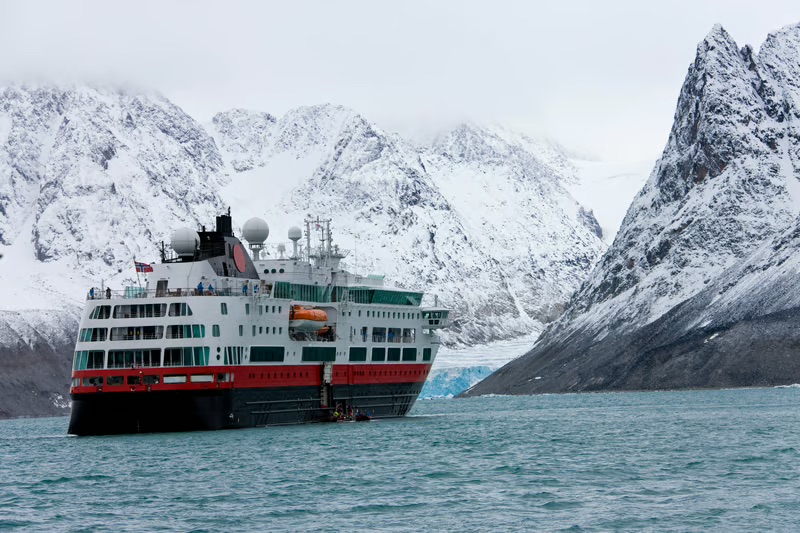
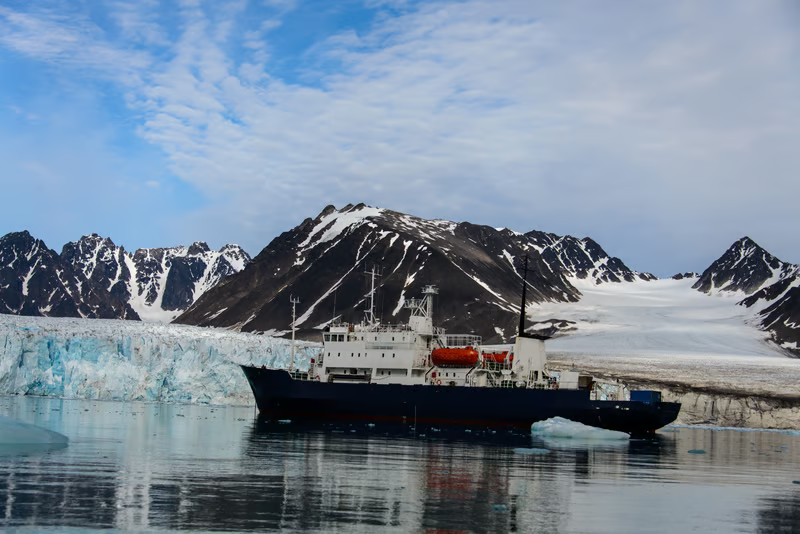
It’s a difference perhaps best exemplified by Antarctica expeditions. In the seventh continent, the size of the ship can completely change the trip. Smaller vessels don’t just mean more time outside of the ship. They also allow for better connections with onboard experts, such as naturalists, historians, and marine biologists, who delight in telling stories and sharing the information they’ve dedicated their lives to studying. On larger vessels, however, the story changes. Here, travelers often spend more time observing from the deck, waiting to go on shore perhaps once or twice.
In short, the destination is the same, but the experience is not.
I’ve heard this from plenty of travelers over the years. One client visiting India’s Golden Triangle was able to witness unique handicraft demonstrations thanks to their guide’s knowledge and flexibility. Another was able to visit Cambodian temples, sacred national parks, and fishing villages because they chose to plan a small, intentional trip.
It’s a truth that holds no matter where you’re going or what you’re doing: scale shapes access.
Why Is Expedition-Led Luxury Growing So Quickly?
Some of the most meaningful curated immersive experiences I’ve seen involve stepping outside of traditional comfort zones and into expedition-led experiences.
It’s a shift I’ve watched steadily increase in popularity as travelers begin to put the destination at the forefront of their journeys. Here, travel is defined not by traditional luxury, though that still plays a role, but by the rarity of the experiences and the extraordinary access they provide.
Recent research supports this conclusion, with a 2026 Flywire report finding that 93% of respondents defined luxury travel as “access to authentic people, places, and experiences.” Similarly, 90% of respondents said they enjoyed taking trips that others did not commonly seek.
This is something I’ve seen firsthand in the destinations clients are asking about more often:
- Antarctica
- Top bucket-list destination for polar exploration.
- Having visited Antarctica myself, I understand why so many travelers describe it as one of the most meaningful journeys of their lives. It’s not just the penguins, whales, or dramatic landscapes. It’s the perspective it gives you. Few places make you feel so connected to the natural world or remind you how vast, beautiful, and fragile our planet truly is.
- Small expedition ships, similar to floating research stations, maximize time ashore.
- Expert-led tours and lectures.
- Wildlife encounters with penguins, seals, whales, and seabirds.
- Hiking, kayaking, and immersive landings on the continent.
- Top bucket-list destination for polar exploration.
- Arctic (Svalbard and Greenland)
- Glacier hikes and dramatic polar landscapes.
- Opportunities to observe polar bears, walrus, and narwhals from a safe distance.
- Spectacular bird cliffs teeming with nesting seabirds.
- Respectful connection with indigenous communities.
- Galápagos Islands
- Snorkeling alongside sea lions, sea turtles, and other marine creatures.
- Guided walks through beaches and volcanic landscapes.
- Naturalist-led exploration and education.
- Namibia
- Luxury desert lodges in remote landscapes.
- Photography-focused experiences.
- Wildlife viewing in unique, dramatic ecosystems.
- Strong conservation initiatives.
- Mongolia
- Time spent with nomadic communities.
- Ancient cultural traditions and local storytelling.
- Horseback riding and wilderness exploration.
- Deep immersion in one of the world’s most remote destinations.
What are Affluent Travelers Looking For?
One challenge I see among affluent travelers is that traditional luxury has become predictable.
Beautiful hotels, impressive amenities, and excellent service don’t always create the meaningful experiences people are looking for.
Travelers want to learn something new. To connect with a place more deeply. To support causes they care about. To return home with a broader perspective than they left with.
That’s why many travelers are now seeking:
- Wellness in Japan. With a blend of refined luxury, ancient wellness rituals, traditional meals, relaxing onsens, and tranquil surroundings, Japanese ryokans allow travelers to step back from the stresses of daily life and into a state of restoration.
- Conservation in East Africa. Safaris in destinations like Rwanda, Uganda, and Kenya support conservation, land stewardship alliances, and indigenous communities, giving travelers the chance to immerse themselves in nature while also participating in something meaningful.
- Culinary immersion in Vietnam and Italy. From street food classics and floating markets to meals at local homes and bustling open-air food stalls, farms, and cooking classes, travelers to these culinary centers experience a new kind of learning: the discovery of history and culture through food.
- Luxury cruises in the Mediterranean. Slow luxury experiences in destinations like the Greek Isles, Croatia, Italy, and Greece give travelers the chance to experience culture, fine dining, and immersive coastal experiences alongside the comfort of yacht-style cruising.
- Authenticity and connection in Bali. As I learned while co-hosting a small-group women’s retreat in Bali, this destination is ideal for everything from mindful healing and connection building to cultural and outdoor immersion. One of my favorite experiences here was spending time in a Balinese home learning authentic cooking from a local family. It wasn’t a traditionally luxurious experience, but it was warm and meaningful, full of laughter, conversation, and generations of stories and techniques shared freely.
Why Is “Doing Less Better” Becoming the New Luxury?
One of the most common itinerary mistakes I see is people trying to fit too much into too little time.
One too many cities, excursions, or early morning wake-ups can make a trip feel overwhelming. It doesn’t ruin the experience. But it detracts from the meaningful relaxation and rejuvenation that many travelers seek.
Experiential travel offers a solution: Do less, but do it deeply.
This doesn’t mean building minimalistic plans or cutting out desired experiences. It means finding a rhythm that supports what you’re looking to gain.
In Egypt, this might mean spending more time in a few select historical sites rather than trying to experience everything in one go. In Peru and Argentina, it might mean designing the trip around gastronomy and culture, or around scenic exploration, rather than both at once. In Thailand, it might mean designing an itinerary around cultural and wellness experiences.
I think of pacing as part of the trip’s luxury. When an itinerary is balanced, it protects energy, meaning, and memories. It gives travelers the chance to experience the quiet moments that will stay with them long after they return home, from rare wildlife sightings to quiet morning meals to impactful conversations with tour guides.
In travel, luxury isn’t always more. Sometimes, it’s enough time to fully receive what you came for.
What Role Does Planning Play in Experiential Travel?
Experiential travel often feels effortless when you’re in the moment. But creating that experience requires thoughtful decisions made long before departure.
Some of the factors I pay closest attention to when planning these journeys include:
- Flight routing
- Maximizes time spent at your destination.
- Reduces travel fatigue.
- Seasonal timing
- Impacts wildlife sightings.
- Influences weather, lighting, and crowd levels.
- Can significantly affect overall trip costs.
- Flow and pacing
- What travelers see, how they feel, what they learn, and how deeply they connect to a destination.
- Creates room for immersion and spontaneity.
- Allows travelers to be fully present in their destinations, rather than feeling rushed and exhausted.
- Reduces stress and overwhelm.
- Local guides and partners
- Transform sightseeing into meaningful learning.
- Provide cultural and historical context.
- Help travelers connect more deeply with a destination.
- Create long-lasting memories.
- Even after travelers forget small details such as their hotel room number, they’ll remember the guide who brought a culture, landscape, or historical site to life.
- Ship size
- Shapes landing opportunities, flexibility, and overall access.
- Can dramatically affect opportunities for exploration and discovery, as smaller ships are better able to move through narrow corridors.
- Lodge selection
- Increases privacy.
- Creates an intimate connection to nature and the destination itself.
- Offers better access to immersive experiences such as hiking and stargazing.
- The stay as a storyteller.
- Especially true in destinations such as Morocco, Africa, India, Bali, and parts of Japan.
- I choose hotels and lodges not just for luxury, but also for how they reflect the character and culture of a location.
- From ryokans in Japan to a riad in Morocco to a safari lodge in Africa, properties become part of the travel experience.
Travelopod makes all of this easy for our clients. Our team’s extensive travel experience and understanding of international flight intricacies allow us to quickly match your unique needs and preferences with the best offers and routes possible. And with nearly two decades in the curated immersive journey and travel industry, we know just how to create an experiential itinerary for a trip you’ll never forget.
This kind of travel isn’t just a trend. It reflects a larger shift in how people want to spend their time and money. By choosing to pursue stories over souvenirs and access over amenities, travelers are building more purposeful experiences for themselves that foster greater meaning, new perspectives, and increased peace of mind.
Conclusion
A curated immersive journey today looks very different from what it did a decade ago.
It’s still beautiful. Still comfortable. Still built on a foundation of exceptional service and ease. But the focal point is different. Instead of being based on excess and amenities, it’s becoming more personal, centered around the meaning and connections travelers build during their journeys.
When I think back on my own travels, I rarely remember the rooms or the upgrades. I remember the moments that made me feel connected to a place.
A conversation over a shared meal. A wildlife encounter that left me speechless. The stories behind a family-owned vineyard. Standing on the deck of an expedition ship and watching Antarctica loom on the horizon.
Those are the memories that stay with us.
As you look ahead to your future journeys, take a moment to reflect on this question: What kinds of travel experiences are you looking for now?
The most meaningful journeys rarely happen by accident. They are often the result of thoughtful planning, local expertise, and a willingness to travel more deeply.
Whether your next adventure takes you to Antarctica, Japan, Africa, Morocco, or somewhere entirely unexpected, my hope is that it leaves you with more than photographs. At Travelopod, we believe the most meaningful journeys are created through thoughtful planning, deeper connections, discovery, and experiences that stay with you long after you return home.
And if you’re looking to create a journey that feels personal, intentional, and deeply immersive, working with an experienced travel advisor can help turn that vision into reality.
Frequently Asked Questions (FAQs)
1. What is experiential luxury travel?
Experiential luxury travel focuses on meaningful, immersive experiences rather than simply high-end accommodations or amenities. It emphasizes authentic cultural connections, personalized itineraries, local expertise, and memorable moments that help travelers engage more deeply with a destination.
2. Why are travelers choosing immersive experiences over traditional luxury?
Many travelers are seeking purpose, connection, and personal growth from their vacations. Rather than checking landmarks off a list, they want to meet local people, experience regional traditions, explore nature, and return home with lasting memories instead of just photos.
3. How does a travel advisor create a more meaningful travel experience?
An experienced travel advisor designs itineraries around your interests, pacing, and travel goals. They leverage trusted local partnerships, select unique accommodations, arrange expert guides, and provide access to experiences that are often unavailable through standard booking platforms.
4. What destinations are best for experiential luxury travel?
Destinations such as Antarctica, Japan, Morocco, Rwanda, Namibia, the Galápagos Islands, Mongolia, Italy, Bali, and Vietnam are popular because they combine extraordinary landscapes with rich cultural traditions, wildlife encounters, wellness experiences, and opportunities for meaningful exploration.
5. Why is slower, more intentional travel becoming the new definition of luxury?
Slower travel allows visitors to spend more time connecting with a destination instead of rushing between attractions. By focusing on fewer places, travelers experience deeper cultural immersion, less travel fatigue, greater flexibility, and more authentic interactions—making each journey more rewarding and memorable.