
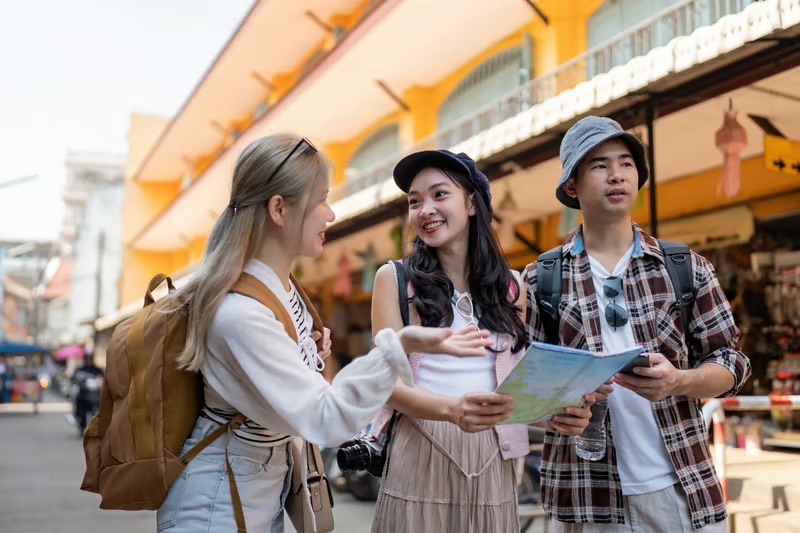
What transforms a great vacation into an unforgettable journey? It’s not just luxury accommodations or iconic landmarks—it’s the authentic cultural experiences and meaningful human connections that allow travelers to truly understand a destination. This article explores the world’s top experiential travel destinations—Japan, India, Morocco, Egypt, and East Africa—and shows how thoughtful itinerary design creates opportunities for deeper cultural immersion.
Drawing on years of international travel planning, the article highlights experiences such as tea ceremonies in Japan, palace stays and festivals in India, meals with local families in Morocco, Egyptologist-led tours along the Nile, and community-based safaris in East Africa. Rather than simply checking off famous attractions, travelers gain insight into local traditions, history, craftsmanship, cuisine, and everyday life through trusted guides and authentic relationships.
The article also explains why the most memorable travel experiences are rarely found through online searches alone. Instead, they are created through intentional planning, local expertise, and carefully curated experiences that leave travelers with a deeper appreciation of the people, cultures, and places they visit long after the journey ends.
Having planned international travel for years, I’ve noticed something interesting when travelers return home. The trips they talk about most, even years down the line, aren’t usually the ones where they booked the biggest suites or were given access to the most luxurious amenities. They’re the ones where they found moments of unexpected human connection.
Conversations with local hosts and business owners, witnessing local traditions, sharing a home-cooked meal: these are the experiences that turn a travel destination into something profoundly meaningful.
These are the moments that stay with us.
Interestingly, however, very few travelers come to me asking for these immersive experiences. They usually begin with something much simpler: “We’re looking for something unforgettable.” “We’re thinking about traveling to Japan.” “We want to celebrate an anniversary abroad.”
“The deeper cultural connections don’t come by accident. They come later, thoughtfully woven into the journey through dozens of small decisions most travelers never think to make on their own.”
That’s what gives travelers access to the people, traditions, and perspectives that most never discover.
What are the Best Experiential Travel Destinations for Cultural Immersion?
Japan
Best for: Tradition, food, design, rituals, and refined hospitality
Signature experience: Tea ceremony, ryokan stay, artisan visit, or Hiroshima Peace Memorial experience
Suggested duration: 10 to 14 days
India
Best for: Wellness & spirituality, cuisine, festivals, culture & heritage, and regional diversity
Signature experience: Temple visit, palace stay, local market walk, regional food experience, or festival travel
Suggested duration: 10 to 16 days, depending on the regions included
Morocco
Best for: Craftsmanship, hospitality, souks, architecture, and desert culture
Signature experience: Riad stay, guided souk visit, artisan workshop, Sahara experience, or meal with a local family
Suggested duration: 8 to 10 days
Egypt
Best for: Ancient history, archaeology, storytelling, and Nile journeys
Signature experience: Private Egyptologist tour, Nile cruise, museum visit, or temple experience
Suggested duration: 8 to 12 days
East Africa
Best for: Wildlife, conservation, local communities, landscapes, and safari culture
Signature experience: Safari with expert local guides, conservation experience, eco-lodge stay, or respectful community visit
Suggested duration: 9 to 14 days
How Do You Know if a Travel Experience is Truly Immersive?
One of the biggest misconceptions I’ve heard is that experiential trips and immersive experiences are two different things, each requiring a different approach.
In my experience, they’re inseparable. Cultural immersion isn’t a separate style of travel. It’s what happens when a journey is designed thoughtfully enough to help you understand a destination beyond its landmarks.
This might look like:
- Cultural perspective
- Time with host families to experience everyday life and traditions.
- Customs reveal more than major attractions, providing a deeper appreciation for local culture.
- Culinary discovery
- Regional cuisine reflects history, geography, and family traditions.
- Shared meals with hosts are some of the most memorable cultural experiences.
- Local markets and food producers offer a window into everyday life.
- Natural adventure
- Expert guides provide valuable cultural and environmental context, including insights into the relationships between people and environments.
- Eco-lodges reflect the character of a destination.
- Responsible wildlife viewing encourages a deeper respect for local ecosystems.
- Purpose-driven travel
- Conservation initiatives protect destinations for future generations.
- Community-based tourism creates meaningful local benefits.
- Thoughtful travel choices leave a positive impact on communities and the environment long after your trip ends.
“I often tell clients that culture isn’t something you observe from behind a camera. It’s something you participate in.”
So when planning experiential trips, try asking yourself: “Will this experience help me understand this destination in a way I couldn’t on my own?”
I’ve found it to be a useful way to distinguish between a good vacation and a high-access, high-quality journey that delivers moments you wouldn’t have had otherwise.
Japan: How Can You Experience the Traditional Within the Modern?
One of the things that fascinated me most during my time in Japan wasn’t the contrast between ancient traditions and modern life. It was how naturally the two exist side by side.
Modern technology, pop culture, and urban environments stand alongside centuries-old shrines, tea ceremonies, buildings, and crafts, each reflecting elements of Japan’s unique culture. But without thoughtful planning, it’s easy to rush from one landmark to another, never experiencing the cultural traditions that make Japan so distinctive.
Over the years, I’ve learned how important it is to leave space between immersive experiences. Those quieter moments allow travelers to appreciate Japan’s traditions more intentionally.
Here are a few experiences I encourage travelers to prioritize:
- Traditional tea ceremonies
- Guided by experienced tea masters.
- A classical art of Japanese refinement centered on patience, respect, presence, and quiet intimacy, with roots dating back to 815 CE, according to the Japanese National Tourism Organization.
- One of the experiences clients still mention years after returning home.
- Ryokan stays
- An introduction to omotenashi, Japan’s philosophy of wholehearted hospitality.
- Traditional meals and relaxing onsen become part of the cultural experience.
- Meeting local artisans
- Opportunities to learn directly from craftspeople preserving generations of knowledge.
- A deeper appreciation for techniques rarely understood from a museum or shop window.
- Visiting local memorials
- Sites such as the Hiroshima Peace Memorial encourage quiet contemplation and connection rather than sightseeing.
- Local stories provide valuable historical context beyond what guidebooks offer.
- For example, during my visit, learning the story of the paper crane and what it has come to mean to the people of Japan completely changed how I understand its significance.
- Experiencing everyday life
- Daily routines reflect Japan’s culture of respect, cleanliness, and shared responsibility.
- These everyday happenings reveal just as much about Japan as its temples do.
I think the most meaningful experiences in Japan are not just about visiting temples, taking part in a tea ceremony, or staying at a ryokan. They help travelers understand the quiet discipline, hospitality, rituals, and respect for tradition that shape everyday life in Japan.
India: How Do You Navigate a Destination That Engages Every Sense?
India has always felt different to me because every trip feels like returning to a part of myself. And every trip reminds me how impossible it is to experience the country through just one sense.
The colors, aromas, spices, conversations, architecture, music, spirituality, and regional diversity all compete for your attention at once. For many first-time visitors, the sheer scale and ever-present stimulation are often simultaneously captivating and overwhelming.
India rewards curiosity, but it rewards thoughtful pacing even more. I’ve found that travelers navigate the country in a deeper way when they leave room to absorb what they’re experiencing rather than trying to see everything at once.
Some of the standout immersive experiences I most often recommend to travelers include:
- Heritage palaces
- Places like the Umaid Bhawan Palace, the Hawa Mahal, and the Padmanabhapuram Palace are tangible reminders of India’s royal history and architectural heritage.
- Every region reflects centuries of culture and craftsmanship.
- Social and spiritual traditions
- Temples, ashrams, communal meals, daily routines, and yearly festivals offer insights into the sensory nature of everyday life.
- Customs, traditions, and perspectives differ from one region to another.
- Regional cuisines
- Meals often reflect family traditions, regional history, religion, geography, and local identity.
- You can taste the variance between spices, sauces, proteins, and cooking styles.
- Rather than sampling everything, I encourage travelers to focus on one or two regional cuisines to gain a richer experience and a clearer understanding of their depth.
- Festivals
- Colorful, musical expressions of faith, community, tradition, and artistic expression that come together in unforgettable ways.
- From wider celebrations such as Diwali and Holi to regional celebrations such as Durga Puja and the Hornbill Festival, each offers a different perspective on Indian culture.
- Wellness activities
- Wellness experiences, from yoga retreats to wildlife sanctuaries, provide a welcome balance to India’s vibrant pace while offering insight into centuries of healing traditions.
- One of my favorite moments in India was visiting the Cotigao Wildlife Sanctuary, one of Goa’s largest. Its dense forests and peaceful atmosphere reminded me that India isn’t only energetic, it can also be deeply relaxing and restorative.
I always feel that in India, palaces, temples, markets, festivals, and local kitchens become far more than photo stops. They help travelers understand the royal histories, spiritual traditions, regional craftsmanship, family customs, and cultural layers that make each part of India feel distinct.
Morocco: How Do You Engage with the Culture Around Every Corner?
After helping travelers plan experiential trips for more than two decades, I’ve come to find that Morocco is one of the world’s richest destinations for cultural connection.
Here, the souks, architecture, craftsmanship, and centuries of history compete for your attention all at once. But the most powerful memories and moments of genuine human connection don’t come from overfull itineraries. They’re created through careful planning, local relationships, and the space to let the destination reveal itself naturally.
It’s something a client of mine discovered for herself during a family reunion trip to Morocco. While she loved the medinas, the luxury riad they stayed in, and the hospitality they experienced there, the moment she loved most didn’t happen at the hotel or in the city. It happened when she and her group had lunch with a local family. Three women prepared a traditional meal, shared stories and local songs, and built a connection that she still remembers and treasures today.
I’ve found the truest expressions of culture almost always begin with local people. While landmarks tell part of the story, it’s conversations and customs that bring a destination to life.
Of course, as I discovered while traveling through Morocco with a women’s group on an experiential trip, opportunities for cultural connection come in all forms, including:
- Staying in traditional riads
- Beautifully restored homes tucked into the heart of historic Moroccan medinas (old towns), several of which are listed as UNESCO World Heritage Sites.
- Traditional woodwork, tilework, and architecture reflect generations of evolving craftsmanship.
- Quiet courtyards create a hidden oasis, a welcome contrast to the bustling streets outside.
- Exploring local souks
- Vibrant markets filled with artisans and workshops.
- Exploring with a knowledgeable guide leads to experiences you might’ve missed.
- Discovering historical craftsmanship
- Geometric zellij tilework and other handcrafted details are hallmarks of Moroccan architecture and heritage.
- The cities themselves become living works of art and history.
- Connecting with local communities
- Artisan workshops help you better understand Berber culture through the meanings and techniques of their crafts.
- Guided hikes reveal how communities have adapted to the landscape.
- Camelback tours and tent camping in the Sahara offer insight into traditional nomadic life.
What makes Morocco so memorable for our clients and me is not only its souks, riads, desert landscapes, or architecture. It is the deeper understanding travelers gain of the country’s craftsmanship, hospitality, Berber traditions, and the human connections that bring Moroccan culture to life.
Egypt: What Makes History Feel Alive?
What continues to surprise me about Egypt is how vividly its stories can come to life when you understand their meaning. From the magnificent wonders of the ancient world to the quiet moments of cultural immersion in the cities and villages, every part of the country reveals something new for international travelers.
But all too often, I’ve heard travelers say they saw Egypt’s history without ever feeling connected to it. They visited the major sites, listened to the guides, took the photos, and still felt something was missing.
Egypt isn’t difficult because there’s too much history. It’s difficult because the stories and cultural context are too important to be reduced to dry explanations. But when the right expert leads the way, the past starts feeling human. You begin to understand not just what was built, but also why it mattered, how the people building it lived, and how their legacies still shape the country today.
Some of the cultural experiences I most often recommend for experiential trips in Egypt include:
- Private Egyptologist tours
- Expert guides transform abstract monuments into personal narratives.
- Ancient inscriptions, rituals, traditions, and routines become easier to understand in their historical context.
- Taking journeys down the Nile
- A Nile cruise gives you time to absorb the country’s rhythm while combining ancient sites with local culture, cuisine, and expert storytelling.
- Small river ships give you time to absorb the scale and rhythm of the country.
- Listening to ancient narratives
- Archaeological site visits, museum talks, and academic conversations reframe Egypt through expert interpretations.
- Understanding the stories behind Egyptian craftsmanship connects ancient history to modern day.
Egypt becomes far more powerful when travelers move beyond simply seeing pyramids, temples, tombs, and ancient artifacts. I have realized again and again that with the right context, they begin to understand the stories, beliefs, daily life, and human ambition behind one of the world’s most extraordinary civilizations.
East Africa: How Do the People Shape the Experience?
When people first think about East Africa, they usually picture the wildlife. But I’ve found it’s often the people who leave the deepest impression.
In destinations such as Kenya and Tanzania, safaris and culture aren’t separate. The communities that protect these landscapes are part of what makes East Africa so memorable and meaningful, and they’ve lived alongside these ecosystems for generations. Their knowledge of the land, wildlife, and local traditions helps travelers understand the destination in a much deeper, more connected way.
Some of the experiences I recommend when visiting East Africa include:
- Respectfully visiting indigenous communities
- An intimate glimpse into the connections between communities and ecosystems, and how these relationships shape landscapes and lifestyles.
- Thoughtful cultural exchange builds bridges between travelers and indigenous communities.
- Gain insights into the intricacies of daily life.
- During my trip to Kenya, I visited a Maasai village. This opportunity allowed me to glimpse their rich culture and learn more about how patriarchy continues to impact their lives.
- Participating in conservation efforts
- Conservation experiences reveal how wildlife protection, tourism, and local communities are deeply connected.
- Eco-lodges demonstrate how tourism can create a lasting impact through wildlife corridors, local employment, and community programs.
- Learning from local guides
- Local guides connect wildlife sightings with history, culture, and conservation.
- While visiting Tanzania, our guide took us to Arusha National Park for a morning game drive. It explained the unique behavior of the tree-climbing lions, turning a wildlife sighting into a deeper lesson.
I love returning to Africa anytime. A safari in East Africa can be much more than a series of wildlife sightings. At its best, it helps travelers understand the deep relationship between local communities, conservation, land, and the ecosystems that make this region so powerful.
Why Aren’t the Most Memorable Cultural Experiences Listed on Google?
One of the most surprising things I’ve noticed in travel over the past few years is that the more information travelers have, the harder it can be to find truly meaningful experiences.
Google is useful, reviews help, and social media can introduce you to beautiful places. Still, the most memorable cultural moments rarely appear at the top of a search result.
Those often come through relationships: A host family in Morocco, an artisan in Japan, or a guide in Egypt. Connecting with locals is rarely something you can book online. And even when they are, the difference often lies in how they are placed within the larger experiential trip.
I’ve come to believe real luxury isn’t found in what’s visible. It’s found in the structure beneath the journey, the local relationships, thoughtful pacing, and decisions most travelers never realize are shaping their experience.
- Private art experiences
- Heritage artists and experts in local art and architecture provide unique, hard-to-find perspectives.
- Performances and workshops create opportunities for deeper cultural understanding.
- Local hosts
- A chance to experience traditions in an authentic setting.
- Locally owned accommodations are becoming more popular with travelers visiting Europe, according to research by the European Travel Commission.
- Expert guides
- The right guide adds context, perspective, and local insight to every destination, changing how you understand a place.
- Landmarks become meaningful stories rather than just places to visit.
- Small-group journeys
- Maximize flexibility and the chance of spontaneous discoveries.
- Access to a wider range of activities and accommodations.
- Smaller groups create stronger connections with peers, guides, and communities.
The best immersive experiences are rarely about doing what everyone else has done. More often, they’re about experiencing a place in a way that feels personal and deeply considered.
Conclusion
When I look back on my own travels and the journeys I’ve helped design over the years, the first thing I think about is rarely the room categories or the upgrades.
I remember the moments of unscripted, unexpected human connection.
Like the shared enjoyment of a home-cooked lunch with a family in Morocco, a meal which taught me more about the country’s culture than any guidebook ever could. It wasn’t just the food I remember. It was the generosity and the chance to see Morocco through someone else’s eyes.
I believe experiential trips should never be about adding more to an itinerary.
“Whether your travels take you to Japan, India, Morocco, Egypt, East Africa, or somewhere entirely new and wonderful, the most memorable journeys are often created by doing less, but with more intention.”
They’re created by thoughtfully designing your itinerary, relying on trusted local relationships, and moving slowly through a destination.
Over my years in experiential travel planning, I’ve become convinced that the trips people remember most aren’t the busiest or even the most luxurious. They’re the ones that leave them seeing a destination, and sometimes themselves, a little differently.
That’s the kind of travel I believe is always worth planning.
If you are thinking about a journey that goes deeper than sightseeing, Travelopod can help you choose the right destination, design the itinerary with intention, and create the kind of cultural experiences that stay with you long after you return home.
To start planning, call 1-800-674-7778 or email journeys@travelopod.com.
Frequently Asked Questions (FAQs)
1. What makes a trip “experiential” or “immersive” rather than just a regular vacation?
An immersive trip isn’t defined by a separate list of activities; it’s the result of how a journey is designed. It comes from thoughtful pacing, local relationships, and choices (like staying in a family-run riad instead of a resort, or leaving space between activities instead of packing the itinerary) that help you understand a place through its people rather than just its landmarks.
2. Which destination is best for a first-time cultural or experiential trip?
This depends on travel style. Japan suits travelers who want structure and ritual (tea ceremonies, ryokan stays). Morocco and Egypt work well for travelers drawn to history and craftsmanship with an expert guide. India rewards those comfortable with sensory intensity and slower pacing. East Africa suits travelers who want cultural connection built around wildlife and conservation.
3. Do I need a guide or local host to have an authentic cultural experience, or can I do this independently?
It’s possible independently, but the most meaningful moments, from a shared family meal in Morocco to a local’s account of the Hiroshima Peace Memorial’s paper crane to a guide’s insight into Arusha’s tree-climbing lions, usually come through relationships that aren’t bookable through a search engine. A knowledgeable guide or advisor typically opens doors that self-planned trips don’t reach.
4. Is experiential or immersive travel more expensive than a standard trip?
Not necessarily; it’s more about trip design than trip cost. A home-cooked meal with a host family or an afternoon with a local artisan often costs far less than a luxury hotel amenity, but delivers more of the moments travelers remember years later.
5. How far in advance should I plan an immersive cultural trip?
Because these experiences rely on local relationships and small-group or private access (like a private Egyptologist tour or a home visit in Morocco), they generally require more lead time than a standard resort booking. Planning several months ahead gives enough room to arrange host families, guides, and seasonally timed experiences like festivals.