Thinking about traveling to Antarctica? The most important decisions have less to do with luxury and more to do with access. From ship size and expedition teams to routes, travel seasons, and transportation options, the choices you make before departure will ultimately determine how immersive and meaningful your experience becomes.
Small expedition ships typically offer the greatest access to landings, wildlife encounters, and Zodiac excursions, while larger vessels can limit time spent ashore. Travelers should also consider whether they want to focus on the Antarctic Peninsula, South Georgia, or the Falkland Islands, as each route offers a different mix of scenery, wildlife, and history.
The article also highlights how seasonal timing influences everything from penguin colonies and whale sightings to photography opportunities and crowd levels. While premium cabins and optional adventures can enhance a trip, they are rarely what defines the experience. Instead, the greatest value comes from choosing an itinerary aligned with your personal goals and interests.
Ultimately, Antarctica rewards thoughtful planning. By prioritizing access, expert-led exploration, and experiences that match your travel style, you can transform a once-in-a-lifetime journey into an unforgettable adventure.
There is nothing quite like traveling to Antarctica.
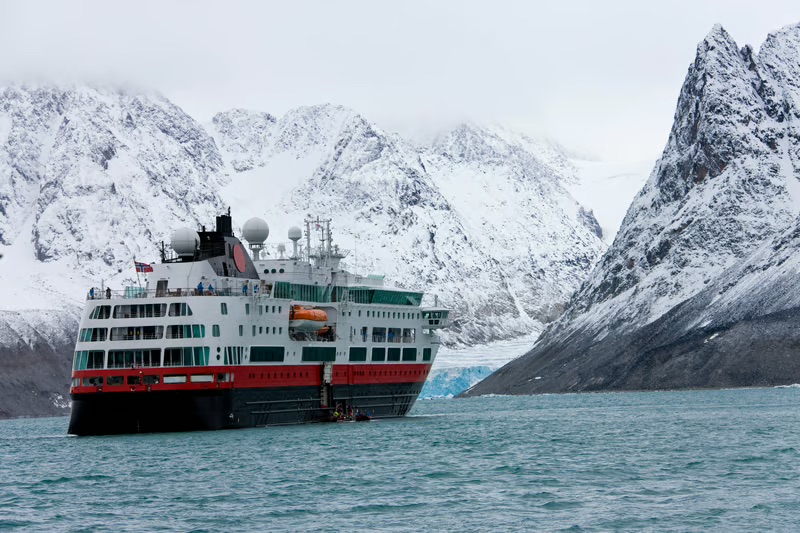
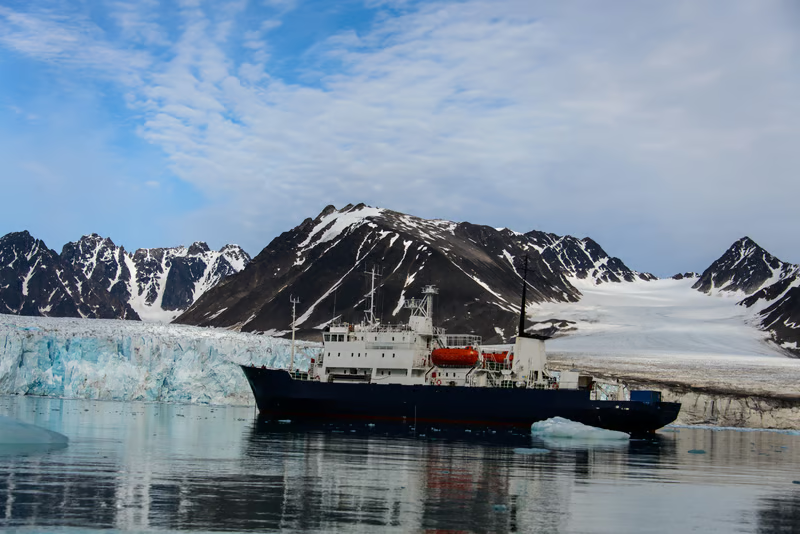
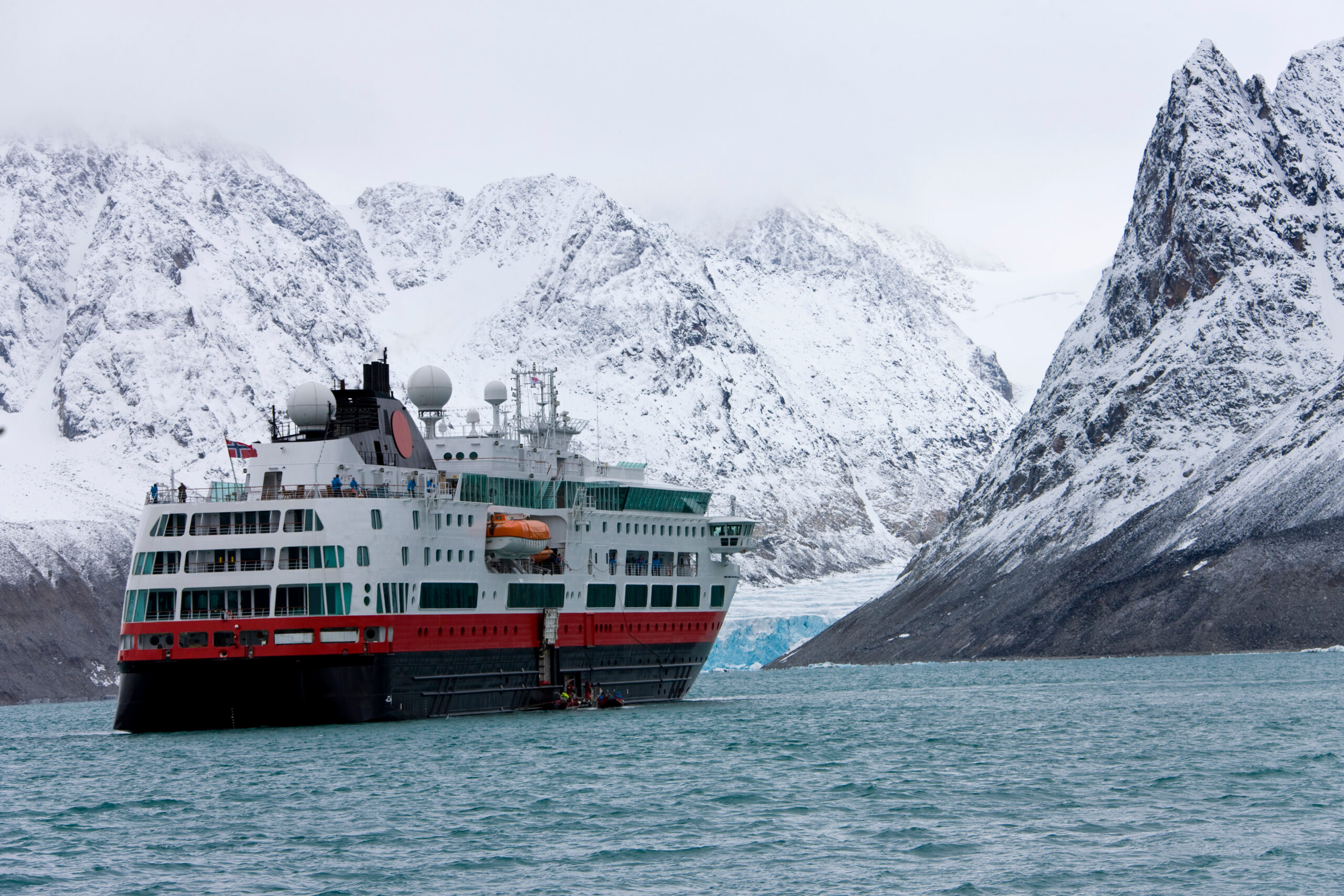
You don’t casually add this destination to an existing itinerary or arrive expecting to figure things out as you go. People don’t come here for the food, architecture, or culture. It’s a trip defined by the unforgettable feeling of standing on the deck of an expedition vessel as icebergs loom overhead. For the whales and seals that surface alongside the ship. For a feeling that can only come from one of the most noteworthy luxury travel experiences: standing somewhere so remote and untouched that the rest of the world seems very far away.
But having planned Antarctica trips for years, and having experienced it firsthand, I can say this with clarity: Antarctica isn’t a place you “visit.” It’s a place you arrive at, after a series of choices that quietly shape everything you experience once you get there.
And that’s where many travelers go wrong.
Most people begin planning by asking questions such as, “Which cruise line is best?” Which cabin is the most comfortable? How much should I spend?
Those things matter. But they’re not what make your journey meaningful.
A better place to start is to step back and ask: What version of Antarctica do I actually want to experience?
Why is it Important to Separate the Investment from the Experience When Traveling to Antarctica?
Traveling to Antarctica is a serious investment, with expeditions ranging from under $10,000 to nearly $50,000, according to data collected by The Pricer. But the real risk isn’t the price tag. It’s planning your trip in a way that doesn’t deliver the experience you were looking for.
I’ve seen visitors to Antarctica spend similar amounts, travel during the same season, and still come away with very different impressions of the continent. One felt immersed in it and got everything they were looking for. The other felt like they mostly watched it from a distance and missed out on something more meaningful.
“The best Antarctic expeditions start with how you define value. This isn’t limited to the ship, the accommodations, or the menu. On the seventh continent, value is access. Time spent on land. Flexibility. Seasonal scenery. The quality of the expedition team. “
Many clients come to us at Travelopod thinking traveling to Antarctica is about choosing the best cruise. In reality, it’s about choosing the right experience. And those aren’t always the same thing.
Where Do Most People Go Wrong when Planning an Antarctic Cruise?
I understand why travelers focus on details such as ships, airlines, cabins, and package upgrades. But I’ve also seen how easily those things can distract from the rare encounters and immersive moments that make the continent unforgettable.
When planning Antarctic adventures, I prefer an expedition mindset to a cruise mindset. Here, the ship is your vehicle, a floating hotel for sleeping, eating, and on-deck activities. Your expedition team is the actual key that unlocks the continent and determines the depth of your experience, and they can be vetted through questions, including:
- How many experts are on board per passenger? The more guides, academics, and scientists there are on the ship, the more chances you’ll have for personalized talks, queries, and storytelling.
- Who will be leading your specific expedition, landing party, or onshore adventure? The difference between a scenic cruise and a truly exceptional Antarctic trip is who is at the helm. During my own Antarctic expedition, I was lucky enough to be in the company of incredibly experienced naturalists, scientists, and field experts who had spent years in Antarctica. These guides led us through locations including Croft Bay, Snow Hill, and Deception Island, offering us a unique glimpse into the vast, untouched landscapes that make the continent a truly incomparable destination.
- Is the operator a member of the International Association of Antarctica Tour Operators (IAATO)? Founded to keep travel to the seventh continent safe and environmentally responsible, IAATO-affiliated expeditions deliver a combination of safety, access, education, and respect for the natural world.
When traveling to Antarctica, it’s the guides, naturalists, historians, and marine biologists who completely change the experience. For them, the continent is more than a job. It’s something they’ve dedicated their lives to studying, exploring, and protecting. As a result, the enthusiasm with which they talk about the continent is entirely real and natural.
From Zodiac rides to landings to mealtime chats, they’re there to tell stories, help passengers understand this uniquely fragile ecosystem, and turn the continent from something beautiful but distant into something you can deeply appreciate up close. Experts like Dr. Zach Brown return to these polar regions year after year, driven by his passion for this incredibly remote, yet extraordinary part of the world.
Why Is Ship Size the Decision That Matters Most?
My first landing in Antarctica stayed with me. Not just because of the penguins or the landscape, but also because I realized how rare it is to have that kind of access, and how easily it can be limited if the wrong choices are made upfront.
With more than a decade of experience in international trip planning, I’ve found that if there’s one decision that defines the experience of traveling to Antarctica, it’s the ship size. Everything else is secondary.
When you’re in Antarctica, only 100 people can land at a time. So when you book passage on a smaller ship, you’ll likely be on a Zodiac in minutes, able to spend a significant amount of time on the continent. But if you’re on a ship with 400 people, you’ll be spending 75% of your precious time waiting in a lounge, watching Antarctica through a window.
Here’s what that difference looks like across typical vessel sizes:
- Small ships (≤100 passengers)
- All guests land at the same time
- There are typically two landings per day
- Guests spend more time outside of the boat with experiences such as:
- Glacier hikes
- Zodiac landings
- Kayaking trips through the fjords
- Wildlife encounters
- The best Antarctic experience
- Mid-size ships (100 to 200 passengers)
- Guests are split into two groups for rotational landings
- Less time on the continent per person
- Large ships (200 to 500 passengers)
- Multiple landing rotations
- Some guests may wait longer or get fewer opportunities to leave the ship
- More of a cruise than an expedition
- Very large ships (500+ passengers)
- Not allowed to land at all, due to rules adopted by the Antarctic Treaty
- Offshore activities replaced by scenic cruising
When you choose your ship based on access, you give yourself the chance to create the memories, meaning, and perspective you’ll carry with you for the rest of your life.
How Will Your Route Determine What You See?
Not all Antarctic itineraries are the same, no matter how similar they may sound.
When traveling to Antarctica, the specific version of the continent you’ll encounter varies significantly depending on the route you choose. Two of the most common choices I’ve seen clients make are:
1. Antarctic Peninsula
This classic route, my first choice and the one that’s usually the best fit for first-time travelers, typically takes you down the strip of land stretching toward South America. Expedition infrastructure is strong here, with consistent tours all season long. With 10 to 12-day voyages, you’ll get 5 to 7 days to dive into everything the continent has to offer. Stunning glaciers and ice sheets. Bountiful wildlife. Accessible landing sites. It’s a journey that allows you to experience much of what I’ve noticed makes Antarctica feel so extraordinary in the first place.
2. South Georgia and the Falklands
The longer route created by adding these islands to your itinerary is a particularly powerful experience for wildlife lovers. South Georgia, especially, is almost overwhelming in its wildlife populations. Immense king penguin colonies, with population estimates in the hundreds of thousands, cluster along the shores. Antarctic fur seals crowd the beaches, with the South Georgia Museum noting that the island hosts around 95% of the entire species.
It’s also an ideal destination for history lovers, with the legacy of Shackleton’s legendary survival crossing still echoing across the ridges and peaks of South Georgia.
I often remind my clients not to make plans based on what sounds most impressive. The best route isn’t the longest one; it’s the one that aligns with what you want to get from the experience, whether that’s wildlife, scenery, history, or simply more time on the ice.
Should You Fly or Sail to Antarctica?
How you get to the White Continent is an important part of the experience, and one that will define the entire tone of your journey. When traveling to Antarctica, you have two equally valid options to choose from:
1. Sailing
Sailing is the traditional path, and the one that gives you the full Antarctic experience. This two-day journey is defined by the crossing of the Drake Passage, which gets a lot of attention for its frequently changing conditions. The U.S. State Department specifically advises travelers crossing the Drake to prepare for the strength of the waves and wind.
But for passengers who are well-prepared with seasickness medication and aboard a sturdy expedition ship, sailing, particularly crossing the Drake, offers a gradual transition and a sense of completeness that no fly-cruise can replicate. Here, you leave the familiar behind for the excitement of the unknown, and get the chance to feel the scale of the continent even before it appears in front of you.
2. Flying
Flying directly to King George Island from South America allows travelers to save time and avoid stormy seas, without compromising the quality of the route. While it’s dependent on weather timing, and often more expensive as planes need to be chartered, it’s an excellent option for those with limited time to travel, health concerns, or a history of severe seasickness.
For some travelers, sailing the Drake is part of the story; having crossed it myself, I feel that it offers an incredible sense of scale and anticipation. For others, however, it’s a hurdle, one best overcome with the booking of a fly-cruise. Knowing that about yourself matters.
Why Is Value Often Misunderstood When Choosing a Cabin?
Many travelers assume the cabin is where they should splurge. But after traveling to Antarctica myself, I can confidently say your cabin matters far less than you think.
Most days are built around landings, wildlife sightings, lectures, and time on the observation deck. That’s why I usually advise my clients to prioritize experiences over accommodations. Because in Antarctica, the real luxury is what you see, not where you sleep.
This usually makes mid-tier cabins the smartest choice.
You’ll get everything you need, including a view. Even most small expedition ships install windows in their basic cabins. In fact, on our recommendation, many clients choose cabins with large floor-to-ceiling windows or Juliet balconies, windows that open, giving them the chance to take in the view at any time.
“Your comfort is important, but when traveling to Antarctica, top-tier access and experience matter more than top-tier luxury. “
How do the Seasons Affect Your Experience?
One of the questions clients ask me most is: When is the best time to visit Antarctica?
The truth is, there isn’t one universal answer. There’s only the right time for what you want to experience:
- Early season (November to early December):
- Quiet and scenic, with a chill in the air
- Icebergs take on a dramatic, dream-like, architectural quality
- Sunlight is golden, ethereal, and photography-ready
- The continent is slowly waking up, as is the tourism season, with fewer crowds, lower prices, and slowly returning wildlife
- Mid-season (December to early February):
- Wildlife activity is at its peak
- Penguin chicks hatch and begin to explore
- Seal pups roam the ice
- Whale activity begins to ramp up
- Sea ice melts as temperatures near 50 degrees Fahrenheit
- The region experiences its “midnight sun,” with nearly 24 hours of sunlight per day
- Wildlife activity is at its peak
- Late season (mid-February to March):
- The best time for whale-watching
- Humpbacks feed on krill and small fish before their migration North
- Orcas are active
- Minke whales routinely swim alongside Zodiacs
- Penguin colonies begin to quiet, though there’s still plenty to see. When I sailed in mid-February, the abundance of adults and chicks made the experience feel incredibly alive.
- Crowd sizes begin to shrink as the continent prepares for autumn.
- Dramatic sunsets create a nightly show from January through March, coupled with equally stunning sunrises each morning.
- The best time for whale-watching
When traveling to Antarctica, each season offers something different. The best timing depends on which Antarctic experiences matter most to you.
Are Optional Experiences Necessary?
Like many luxury travel experiences, most Antarctic expeditions offer add-on adventures such as kayaking, camping, or snorkeling. Some even offer helicopter rides or submersible trips.
These can be incredible. But as I’ve seen firsthand, they’re not essential.
“When you try to do everything, you risk losing the quiet moments that make Antarctica feel so profound in the first place. The core experiences, including landings and Zodiac tours, are powerful enough to provide a lifetime of memories on their own, without adding anything extra.”
How do these work? It starts with an assessment of outdoor conditions by the team each morning.
If conditions are right for a landing, teams will begin loading and launching the Zodiacs. These inflatable rubber boats are designed to carry groups of 10 to 12 to shore, with passengers equipped with waterproof boots, a parka, and a lifejacket. Once ashore, landings typically include walks across the uneven terrain, tours of wildlife colonies, and, when in the Falklands, trips to Port Stanley.
In the end, it all comes down to this: When traveling to Antarctica, the goal isn’t to maximize activity. It’s to maximize meaning.
Conclusion: Why Is It Important to Focus on Clarity Over Complexity?
Antarctica isn’t a trip you adjust to once you arrive. You need to plan most things well in advance, often 8 to 12 months ahead. While scheduling local sightseeing in Argentina or Chile, for example, can wait a bit longer, to-do list items such as buying or renting gear and choosing a cabin should be taken care of much earlier.
According to recent IAATO reporting, Antarctic tourism exceeded 118,000 visitors during the 2024-2025 season. With the continent’s carefully controlled capacity for visitors, this is one journey best not left to chance, as large ships and busy seasons may mean less time ashore.
It’s one of many small planning misalignments that can completely change the experience you come home with. That’s why I always come back to the same point with clients: traveling to Antarctica doesn’t need to feel complicated, but it does need to feel purposeful.
I often think about Travelopod clients like Rob and Jen, who recently returned from a cruise to Antarctica. What made their trip extraordinary wasn’t just the experiences, but also the degree of alignment. From wildlife sightings to Antarctic views to ship choices, everything was built toward the experience they were looking for, and allowed them to make the most of their journey. When they returned home, they told us that the detailed planning we helped them with was what made the biggest difference in their experience.
Antarctica gives everyone something extraordinary. But exactly what it gives you, from how close you get to how deeply the experience stays with you, is shaped by the choices you make long before you ever dock on the ice.
Frequently Asked Questions (FAQs)
1. What is the best ship size for traveling to Antarctica?
For most travelers, small expedition ships carrying 100 passengers or fewer offer the best Antarctic experience. Because only 100 people can land at a time, smaller vessels allow guests to spend more time ashore exploring glaciers, observing wildlife, and participating in Zodiac excursions rather than waiting for their turn to disembark.
2. Should I sail across the Drake Passage or choose a fly-cruise?
The best option depends on your travel style and comfort level. Sailing across the Drake Passage provides the traditional Antarctic experience and offers a greater sense of the continent’s scale and remoteness. A fly-cruise allows travelers to avoid potentially rough seas, save time, and reach Antarctica more quickly, making it a popular choice for those with limited vacation time or concerns about seasickness.
3. When is the best time to visit Antarctica?
There is no single best time to visit Antarctica. Early-season travelers enjoy dramatic ice formations, fewer crowds, and excellent photography opportunities. Mid-season offers peak wildlife activity, including penguin chicks and seal pups. Late-season is ideal for whale watching, with humpback, minke, and orca sightings becoming more common as the season progresses.
4. Are optional activities like kayaking and camping worth it?
Optional experiences such as kayaking, camping, snorkeling, helicopter flights, and submersible excursions can add excitement to an Antarctic expedition, but they are not essential. Many travelers find that the core experiences—landings, Zodiac cruises, wildlife encounters, and expert-led exploration—provide more than enough memorable moments. The best choice depends on your interests, activity level, and how you want to experience the continent.