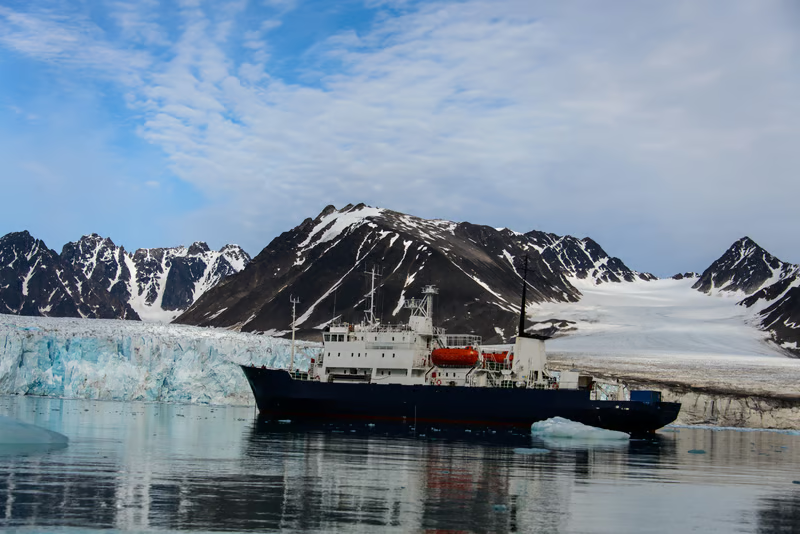
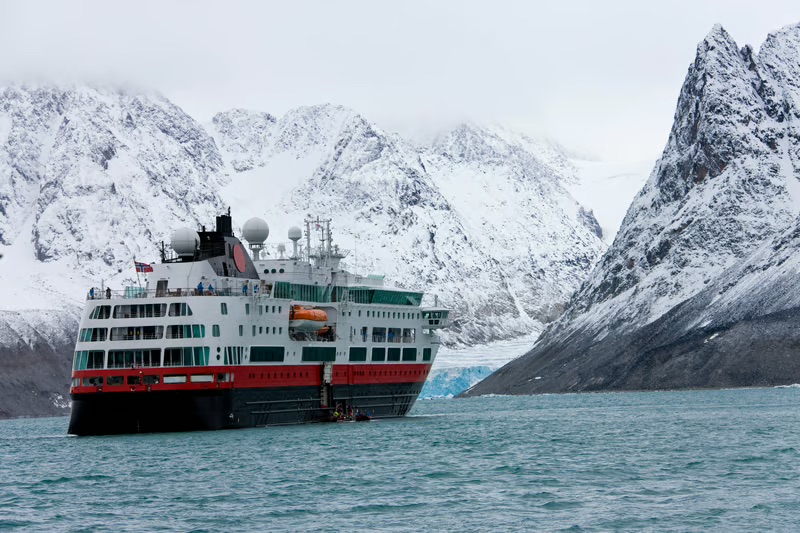
What makes small-ship expedition cruises different from traditional cruising? The biggest difference isn’t simply having fewer passengers. On an expedition, the ship serves as a platform for exploring the destination, and its size and capabilities can influence where travelers go, how efficiently they get ashore, and how much time they spend actively exploring.
Choosing the right expedition means looking beyond cabins and onboard amenities. Passenger count, Zodiac operations, landing efficiency, expedition teams, activities, and time ashore can make two seemingly similar itineraries feel completely different. The best ship isn’t necessarily the smallest or most luxurious—it’s the vessel that provides the right combination of access, expertise, activities, and flexibility for the experience you want.
I’ve planned small-ship expedition cruises for more than two decades, and I’ve experienced many of these destinations myself. Through all of these experiences, I’ve learned that travelers often focus on the wrong part of the journey.
Too often, guests approach planning an experiential trip with this question in mind: “What will this ship offer me?”
I always remind them that the better question is: “What will this ship allow me to experience?”
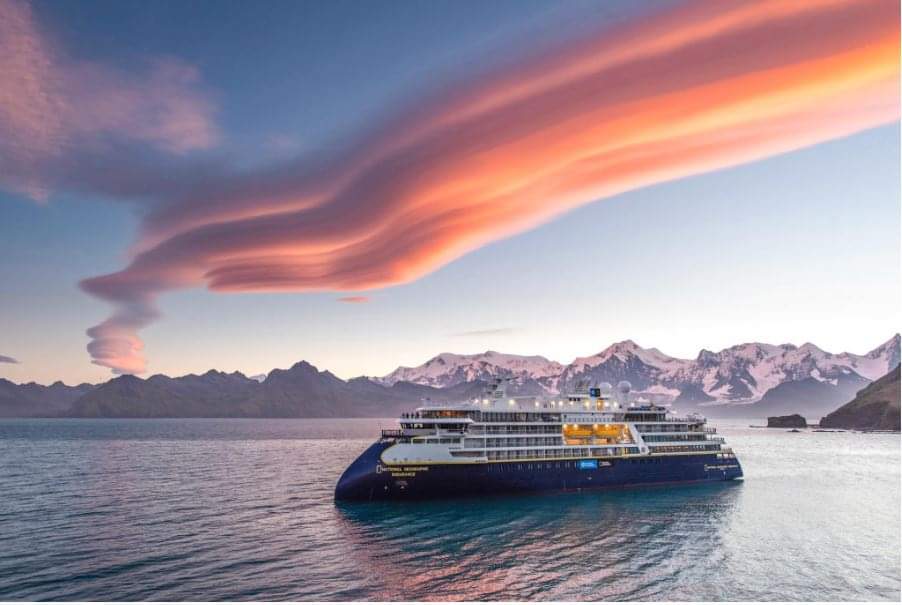
One client came to us with dates and a general desire to experience Antarctica, but choosing the right voyage required looking much deeper. We matched the client with Ultramarine based on the itinerary, expedition capabilities, and overall fit, and also helped arrange a cabin upgrade. What they remembered afterward was not simply the cabin or the ship. It was seeing penguins, whales, seals, glaciers, and Antarctica from perspectives made possible by the ship’s expedition infrastructure.
“Ship size influences almost every part of an expedition, from where you can go and how long you can stay to what you see, what you learn, and how deeply you experience the destination.”
This set of distinctions is particularly meaningful in remote places like Antarctica, Greenland, the Galápagos, Patagonia, and the Kimberley. These regions are shaped by their unique landscapes, wildlife, weather patterns, and histories. Choosing the right vessel and itinerary allows travelers to spend more time actively engaging with these elements.
On the other hand, choosing the wrong vessel and itinerary can mean fewer landings, longer rotations, and less time off the ship.
That’s why careful planning is so important in luxury experiential travel. When two ships may visit the same region but offer very different experiences, making the right choices long before you board the vessel is the key to getting the value you’re looking for.
Where Does Ship Size Make the Greatest Difference?
A small-ship expedition is not simply a conventional cruise with fewer passengers. The key difference is its purpose.
On a traditional cruise, the ship is a major part of the vacation. On an expedition, it serves as a platform for exploring the destination. Its value lies in how effectively it gets travelers closer to landscapes, wildlife, and communities.
I experienced this in Antarctica, where our days were shaped by changing ice, weather, and wildlife rather than a rigid schedule. We explored by Zodiac, made wet landings, and sometimes went ashore more than once a day.
That flexibility depends on more than ship size. Zodiac capacity, embarkation points, landing procedures, vessel capabilities, and the expedition team all affect the time guests spend exploring.
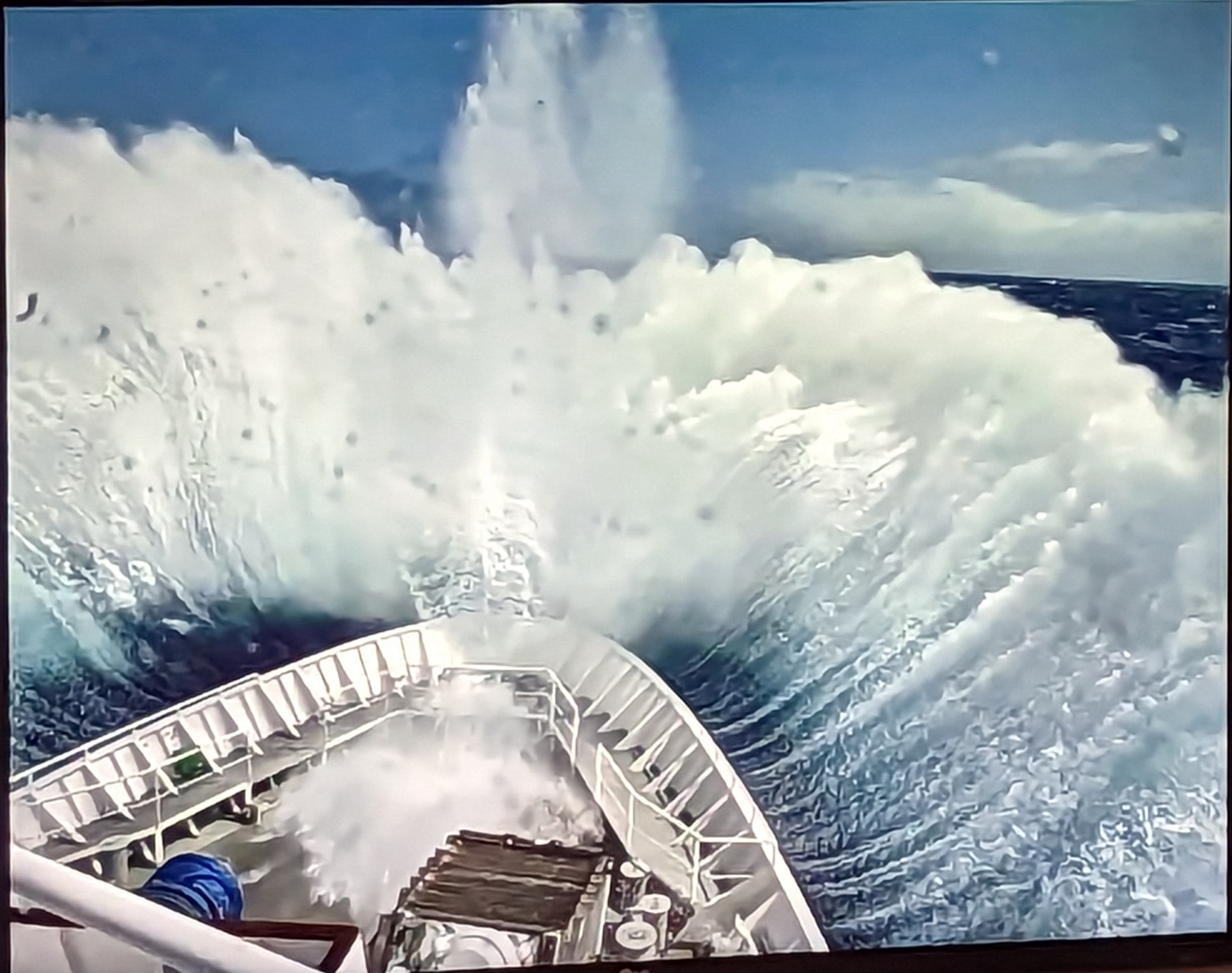
There are trade-offs. Smaller ships may offer fewer restaurants, entertainment choices, and resort-style amenities. They may also feel more movement in open water.
Most importantly, smaller does not automatically mean better. The right ship combines thoughtful design, efficient operations, an experienced expedition team, and an itinerary aligned with your priorities.
Antarctica is one of the clearest examples of why ship choice matters. Even as the details change, the same decision framework applies in other remote regions:
- The Arctic and Greenland: Consider ice capability, onboard scientific research, eZodiac operations, wildlife priorities, community visits, Northern Light access, and whether the itinerary provides meaningful time ashore.
- The Galápagos: Look beyond the cabin and compare the visitor sites, naturalist-guiding structure, snorkeling opportunities, activity levels, and time spent exploring each island.
- Alaska: Examine whether the vessel can enter quieter waterways and smaller anchorages, and whether the itinerary prioritizes wilderness exploration and cultural experiences or conventional port visits.
- Patagonia: Compare access to remote coves, glacier regions, historic waterways, restricted national parks, and hiking opportunities, along with the flexibility to respond to weather.
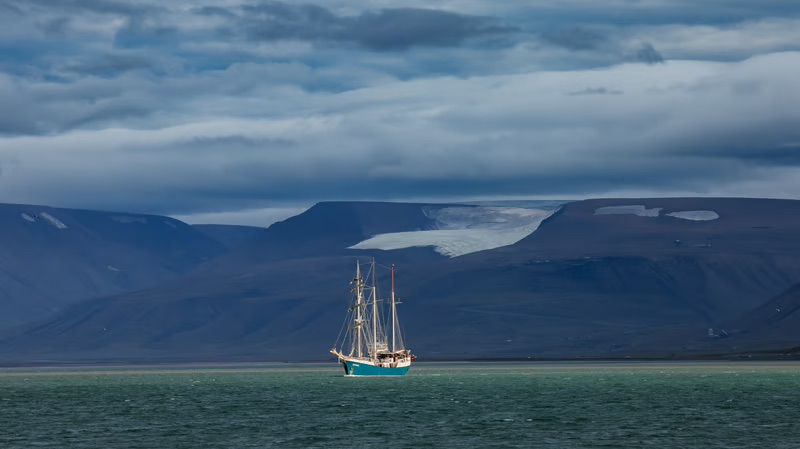
How Does a Small Ship Create Better Access?
Understanding the day-to-day benefits of smaller ships is often easy. More difficult is finding the answer to this question: “How can I tell whether one expedition operator will actually deliver a better experience than another?”
Imagine two ships arriving at the same Antarctica landing site. One carries fewer than 100 guests, while the other carries 300. The smaller ship can generally bring everyone ashore together. The larger ship must operate several rotations because no more than 100 guests are ordinarily permitted ashore at one site at a time. While the itineraries may look similar, the time available to each passenger can be very different.
Ships carrying more than 500 passengers are cruise-only in Antarctica and cannot make passenger landings.
On paper, the itineraries may appear nearly identical. In practice, the experience can feel completely different.
Before choosing a tour, I always advise clients to ask questions, including:
1. How many passengers can participate in each activity at once?
Some destinations, particularly small towns or protected areas, limit the number of cruise visitors they can receive each day. Ask in advance about site limits and how each operator handles rotations when not everyone can participate simultaneously.
2. How long will it take to get everyone off the ship?
Zodiac capacity, boarding points, staffing, and operating procedures all affect the efficiency of landings and port visits.
3. How many outings are there on an average day, and how long are they?
Offboard outings are among the most meaningful and access-oriented parts of an experiential trip. The best expeditions create as many opportunities as possible to spend time off the ship. While the actual number of outings is likely to vary with daily conditions, operators should be able to explain their usual approach.
4. What is available for guests on the ship?
Days at sea are an inevitable part of any cruise, no matter the size of the vessel. But that doesn’t mean access disappears; it just takes a different shape. During my own trip, scientist talks, naturalist briefings, photography sessions, wildlife observation from the deck, and evening recaps prepared us for what we would see next. Often, a guide would explain a behavior or geological feature onboard, and the following outing gave that knowledge an entirely new meaning.
What Happens Beyond the Ship?
“Listening to client stories and embarking on my own experiential trips has made one thing about small-ship cruises very clear: The ship is where travelers eat, sleep, learn, and prepare for outings.”
The real expedition is everything that happens offboard.
But for many travelers, this presents its own problem. The more opportunities you have to engage with new and exciting places, the harder it is to create a truly balanced, well-paced itinerary.
For me, Antarctica reinforced something I frequently tell travelers: more activities do not automatically create a better expedition. Add-ons can be wonderful, but they should be chosen because they genuinely add meaning for you, not because you fear missing out. I preferred leaving enough room for Zodiac outings, landings, observation, and rest. That balance made the journey immersive without making it exhausting.
Some of the most common experiences to consider include:
| Activity | Best for | Questions to ask |
| Zodiac excursions | – Water-level access to icebergs, coves, waterfalls, and wildlife habitats – Brings you closer to the landscapes than the ship ever can | – How will Zodiac and passenger counts affect excursion availability? – Do you prefer on-land excursions to guided boat tours? |
| Wildlife encounters | – Unscripted access to animals’ natural habitats – Learning a landscape based on how native species interact with it | – What viewing standards and restrictions do you need to know? – How do the seasons affect wildlife populations and activity? |
| Hikes | – Active exploration within remote terrain – Building connections with fellow nature enthusiasts | – What activity level is each hiking excursion? – Is any specific gear required? |
| Kayaking | – A favorite of many travelers – Quiet engagement with the water and scenery – Up-close wildlife encounters and access to protected waterways | – What are the passenger limits for kayaking groups? – What’s the added cost of booking this activity? |
| Cultural visits | – Connect meaningfully with local communities, routines, and histories – One of the best ways to discover new perspectives | – Do visitor restrictions limit how many passengers can make these trips? – Do operators respectfully discuss and engage with local communities? |
| Expert-led tours | – Learn about your destination from people who have dedicated their lives to studying it – It’s more than a lecture; the best guides share stories and firsthand experiences that bring each location to life | – What’s the quality of your expedition team like? – What’s the expedition team-to-guest ratio? – How does local expertise shape tour and activity opportunities? |
“Find the experiences you’ll genuinely enjoy, and leave room for the unexpected moments no itinerary can promise.”
How Do Expedition Teams Deepen the Experience?
I’ve seen many travelers spend hours reviewing accommodation and activity choices, but far less time assessing the expedition team.
I believe this element of planning deserves far more attention.
During my Antarctica journey, the expedition team changed how I understood places such as Croft Bay, Snow Hill Island, and Deception Island. Naturalists helped us notice wildlife behavior we might otherwise have missed. Historians connected the landscape to stories of exploration, while photographers encouraged us to slow down and observe before reaching for the camera. Because the group was relatively intimate, those conversations continued beyond formal lectures, during meals, on deck, and while preparing for the next landing.
This is why I do not assess an expedition team by headcount alone. I look at the depth of polar experience, the mix of disciplines, the number of guides actually accompanying guests ashore, and how accessible those experts are throughout the voyage.
Where Do Expedition Specialists Add the Most Value?
On small-ship cruises, access to expertise is often more important than the scale of the journey.
Many travelers don’t realize how many important decisions shape an expedition. The challenge is not finding information. It is understanding how seemingly similar ships and itineraries can deliver very different experiences. Ship size, landing operations, expedition teams, activity options, seasonal conditions, and time ashore all influence whether the journey matches your priorities.
Interest in smaller ships and expedition voyages is increasing, and how you plan must change accordingly.
“Whether you’re a first-time traveler unsure of the right choices to make, a wildlife-focused traveler looking for the best season to visit, or an active explorer trying to choose between add-on opportunities, expert guidance can help at any experience level.”
This doesn’t mean you’re giving up control of your trip. You’re leveraging professional guidance to make the decisions that matter most to you.
This is one of the best ways to create experiences that are authentic, thoughtfully managed, and genuinely worth the journey.
Conclusion
The best expedition ship is not necessarily the smallest or most luxurious. It is the one that gives you the right access, expert guidance, activities, and time ashore for the experience you want.
Ship size can impact everything from landing rotations to waterway and port options to how fast they can respond to changing conditions. Those differences matter because they affect how much time travelers spend actively exploring rather than waiting or observing from a distance.
Before comparing small-ship cruises by operating teams or onboard features, start with the experience you want. The Travelopod team will help you choose the expedition that makes it possible.
Frequently Asked Questions (FAQs)
1. What qualifies as a small expedition ship?
There’s no single industry-wide definition for a small cruise vessel. Most small expedition ships, however, carry between 100 and 200 passengers at their maximum, with some carrying even fewer. This allows for increased trip flexibility and boat agility in certain destinations.
2. How can I choose the right cruise?
Start with your travel goals rather than the ship details. Consider which destinations interest you, what you most want to experience there, and which outings best suit your preferred pace and activity level. Once those priorities are clear, you can start to compare routes, vessels, expedition teams, and operators more effectively.
3. Are small-ship expeditions more expensive than traditional cruises?
Typically, yes. This is for several reasons, including having fewer passengers to share coverage of the operating costs. Which ship offers better value, however, depends on what is included and how much importance you place on time spent ashore, expert guidance, and unparalleled destination access.
4. How far in advance should I book my next experiential trip?
For the widest choices of routes, departure dates, and specialty activities, I generally recommend planning 8 to 12 months in advance. Trips in regions with short tourism seasons or high-demand itineraries may be worth booking even earlier.
5. Are small-ship cruises suitable for people of all mobility levels?
Accessibility varies by vessel and itinerary. Travelers typically need to be able to board zodiacs or walk on potentially uneven terrain at a minimum. Discussing mobility needs before booking can help travelers identify suitable ships and activities.